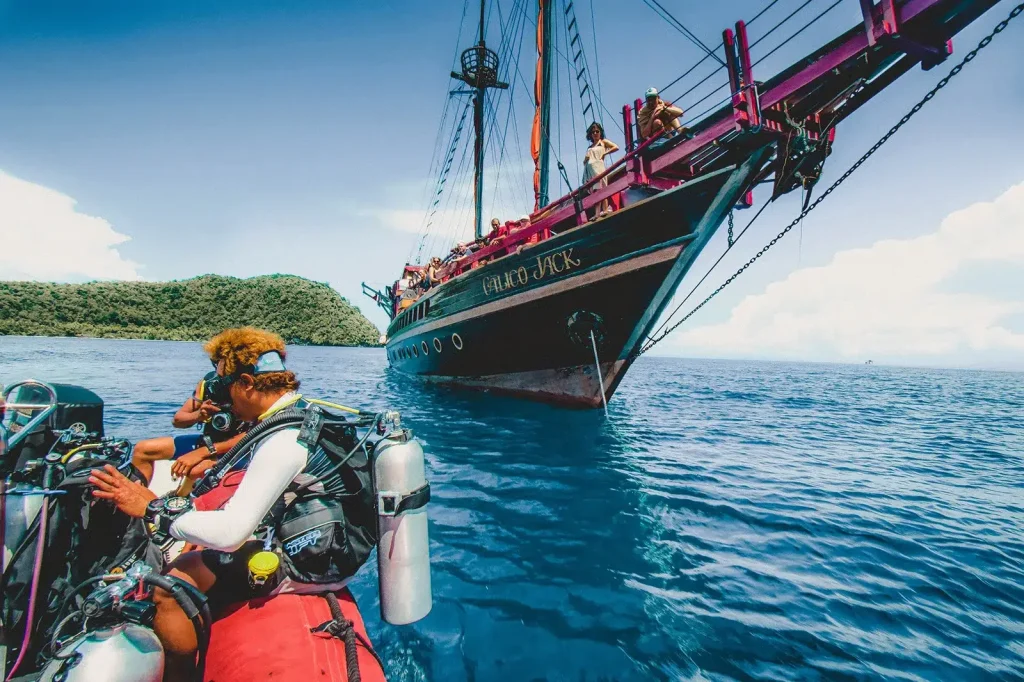
The best dive liveaboard Indonesia option depends on region and budget: as of August 2026, midrange dive-focused boats with nitrox and camera room average USD 250–450 per night, offering 3–4 dives per day and small groups (around 1 dive guide per 4 guests) on curated itineraries in Komodo, Raja Ampat, Banda, Alor, and beyond.
Which is the best dive liveaboard indonesia for each major region?
Across 240+ vessels handled since 2015, our Komodo Luxury network desk highlights different “best” choices by region rather than a single winner. For Komodo, dive-centric midrange options such as Mermaid 2, Neptune One, and Sea Safari consistently deliver strong safety records, 3–4 dives per day schedules, and clear briefings. In Raja Ampat, Solitude Adventurer and Fenides are preferred for serious divers needing nitrox and camera support.
For higher-end charters, Celestia, Dunia Baru, Alila Purnama, Silolona, Prana, and Lamima are often shortlisted for guests seeking private, all inclusive Komodo dive cruise or Raja Ampat expeditions with Deluxe/VIP/VVIP service levels. These vessels combine comfortable ensuite cabins, experienced cruise directors, and well-planned routes across Misool, Dampier Strait, North Raja, and seasonal Banda crossings.
To compare boats by style, many divers start with a best phinisi liveaboard short list, then narrow by route (Komodo, Raja Ampat, Banda, Alor, Wakatobi, Cenderawasih) and trip length (typically 5–12 nights). For most certified divers, the “best” choice becomes the boat that balances budget, cabin comfort, and the exact region in its ideal season.
How many dives per day on Indonesia liveaboard itineraries – and what does a dive day look like?
Most multi day liveaboard Indonesia itineraries run 3–4 dives daily for certified guests: usually two morning dives, an afternoon dive, and a dusk or night dive. A typical day Komodo liveaboard schedule might start with a 6:30–7:00 briefing, first splash around 7:30, and last dive before dinner to respect no-fly times.
Special routes such as the best 7 day Komodo liveaboard itinerary or 10–12-night Raja Ampat expeditions often include 1–2 “crossing days” with fewer dives due to longer steam times. Our desk tends to prioritise liveaboard Indonesia nitrox availability for itineraries with high daily dive counts, as nitrox reduces nitrogen loading for repetitive diving when used properly within limits.
Many vessels cap groups at roughly one guide per four divers, particularly in current-prone areas like Komodo’s Cauldron or Raja Ampat’s Sardine Reef. This 1:4 ratio, along with clear safety briefings and surface support, is a key selection criterion used in our editorial picks for serious divers and photographers.
How much does a liveaboard Indonesia per day price typically cost by region and comfort level?
As of August 2026, typical indonesia liveaboard cost per night ranges are:
Budget boats: around USD 150–250/night. Midrange: USD 250–450/night. Luxury: USD 600–1,200/night. VVIP charters such as Celestia or Dunia Baru on fully private itineraries can exceed USD 18,000 per night for the full yacht, depending on guest numbers and season.
Regional diving affects pricing. Average komodo liveaboard diving price per day for a midrange cabin tends to sit in the USD 250–400/night band, while raja ampat liveaboard diving price per day is often slightly higher due to logistics and demand, typically around USD 300–500/night for comparable comfort. Park fees and domestic flights are additional.
For example, Komodo shared open trip 3D2N from Labuan Bajo starts from about USD 220 per person (as of August 2026), while premium day indonesia liveaboard charters from Labuan Bajo can reach around USD 9,000 per day for up to six guests. Always confirm whether Komodo park fees (about IDR 300,000 per diver per day for foreigners) are included or paid on site.
What do serious divers and photographers need: nitrox, camera rooms, and facilities?
Divers who prioritise 3–4 dives daily usually prefer a liveaboard Indonesia with nitrox for added safety margins when used correctly. Many of our desk’s dive-first picks in Komodo, Raja Ampat, and Banda provide onboard nitrox, large rinse tanks, and safe cylinder-handling protocols; this is flagged clearly at quotation stage.
An indonesia liveaboard with camera room is especially important for the best indonesia dive cruise for photographers. Boats such as Fenides, Mermaid 2, Neptune One, Solitude Adventurer, and several luxury phinisi yachts offer dedicated camera tables, charging areas with 220V sockets, and separated rinse tubs, which help reduce flood and corrosion risks for expensive housings.
Guests often ask for the best liveaboard indonesia with nitrox and wifi. Reliable Wi-Fi at sea is still patchy and often satellite-based; expect reasonable messaging coverage only during certain legs. Onboard nitrox availability is much more consistent and should be treated as a core selection criterion for repetitive diving in remote regions.
How do seasons and trip length affect the best time to dive Indonesia liveaboard routes?
Each region has a preferred window, which strongly shapes liveaboard choices. Komodo’s main season is approximately April–November, with the driest, calmest conditions and best visibility often between July and September. This is usually the best time to dive Indonesia liveaboard routes in Komodo for both pelagics and easier surface conditions for snorkelling partners.
Raja Ampat’s main liveaboard season runs about October–April, when wind and swell are typically more manageable and many boats operate extended crossings into Misool. Banda Sea crossings are most common September–November and sometimes March–April, while Alor and Flores Sea routes tend to focus on roughly August–November.
Shorter 3–4-night itineraries, including a simple day Komodo dive liveaboard itinerary plus 1–2 extra nights, are common from Labuan Bajo. Longer 7–12-night expeditions are needed for more remote Raja Ampat, Banda, and Cenderawasih Bay whale shark routes. Matching chosen season, route, and trip length is core to our ranking process.
Is a beginner friendly dive liveaboard indonesia realistic – or only for advanced divers?
Beginner and newly certified divers can join many routes, provided conditions and expectations are clear. Our desk usually recommends calmer, central Komodo or northern Raja Ampat for first-timers, and avoids strong-current sites until skills improve. Boats with higher crew ratios and structured briefings are favoured in our shortlists for less-experienced guests.
Most beginner friendly dive liveaboard Indonesia options include a check dive on the first day, conservative depth limits, and optional guide hire (private or 1:2 ratios) for extra support. Pre-trip preparation using resources such as a first time liveaboard checklist helps new guests understand bunk vs. ensuite cabins, sea conditions, and daily dive routines.
For families or mixed-experience groups, combining a calm day Komodo liveaboard option with a longer 4–5-night cruise can work well. Our team often recommends practicing basic buoyancy and SMB deployment before booking any current-prone itineraries, especially in Komodo and the Banda Sea.
- Typical daily dive schedule: 3–4 dives per day, with 1–2 reduced-dive transit days on longer crossings.
- Indicative pricing (as of August 2026): midrange liveaboard Indonesia per day price around USD 250–450/night.
- Komodo National Park fees: approximately IDR 300,000 per foreign diver per day; confirm inclusion with operator.
- Domestic flight planning: Bali (DPS) to Labuan Bajo (LBJ) usually 1h10–1h30; Sorong (DEO) is the typical Raja Ampat gateway.
- Key seasons: Komodo April–November; Raja Ampat October–April; Banda September–November & March–April.
- Typical dive guide ratio: around 1 guide per 4 divers on curated dive-first vessels.
- Required documents: certification card/logbook, passport with validity, and travel insurance that covers scuba diving.
Frequently asked questions
Which is the best dive liveaboard indonesia?
There is no single “best” boat for all guests. Our desk typically recommends Mermaid 2, Neptune One, and Sea Safari for dive-focused Komodo; Solitude Adventurer and Fenides for Raja Ampat and Banda; and ultra-luxury phinisi yachts like Celestia, Dunia Baru, or Lamima for private charters. The right choice depends on region, budget, and cabin expectations.
What criteria matter most?
Our rankings focus on five factors: cabin comfort (ensuite, AC, noise), crew ratio and experience, itinerary quality by season, documented safety record, and overall value at the quoted rate. Secondary filters include availability of liveaboard Indonesia with nitrox, camera facilities, tender management, food quality, and flexibility for photographers and newer divers.
How much does it cost?
As of August 2026, expect budget options around USD 150–250 per person per night, midrange at USD 250–450, and luxury at USD 600–1,200. Komodo liveaboard diving price per day usually sits slightly below comparable Raja Ampat trips. Ultra-premium private phinisi charters can exceed USD 18,000 per night for VVIP full-boat arrangements.
When should you book?
For peak seasons (July–September in Komodo; December–February in Raja Ampat), serious divers typically book 9–12 months ahead, especially for large cabins or full-boat charters. Shoulder seasons can be secured 4–8 months in advance. Last-minute discounts exist but rarely align with ideal cabins, routes, or the best time to dive Indonesia liveaboard expeditions.
Open trip or private charter?
Open trips share the boat with other guests, reducing per-person cost and suiting solo travellers or pairs. Private charter gives full control over dates, menus, and dive focus, ideal for clubs, families, or photographers. All inclusive Komodo dive cruise charters are usually more economical for groups of 8–12+ guests compared with buying cabins individually.
To shortlist and reserve the best phinisi liveaboard for your dates and region, contact the Komodo Luxury editorial desk via WhatsApp 628113823875 or email sales@komodoluxury.com, or review our best phinisi liveaboard picks and request a tailored proposal.
Last updated 7 August 2026