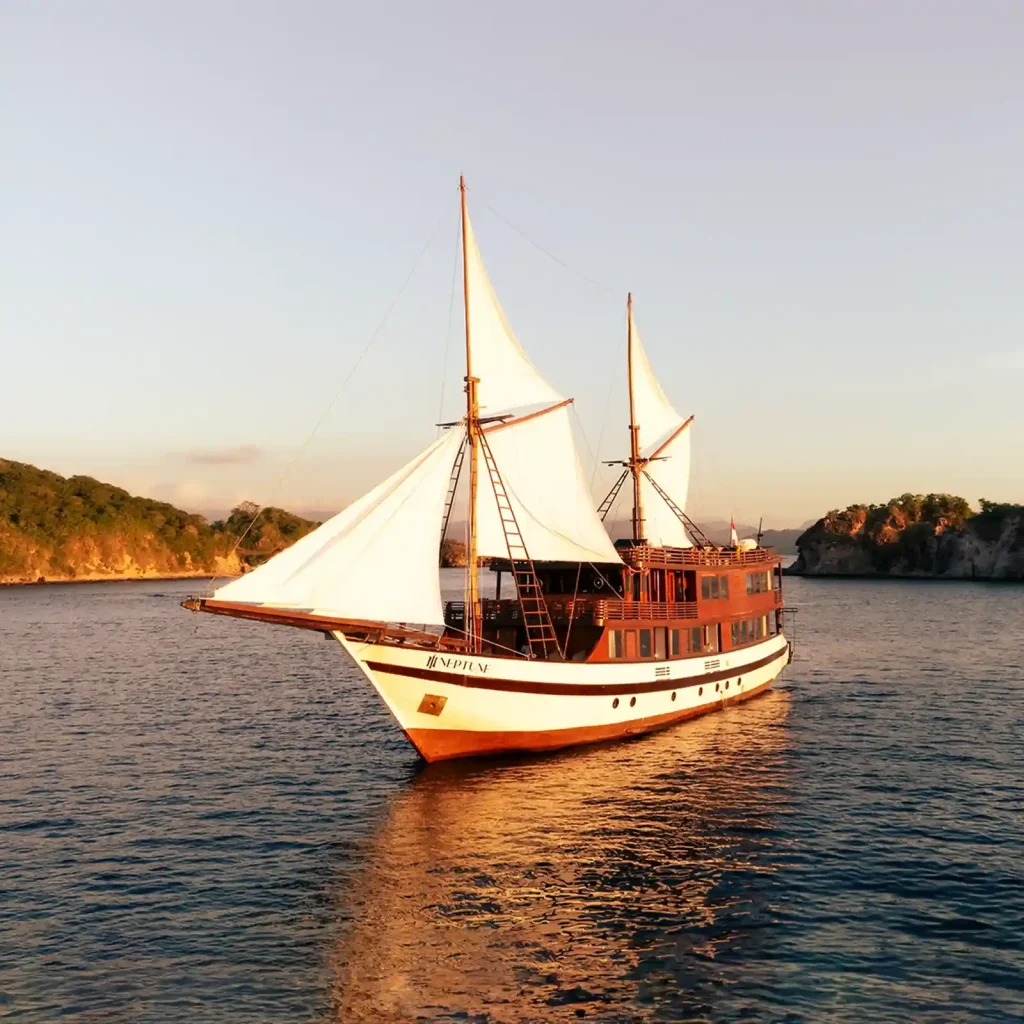
Yes, a liveaboard in Indonesia is generally safe when you choose a reputable operator: in our Komodo Luxury network desk, more than 240 vessels have been handled since 2015 with incident rates far below 1% of trips. The key is verifying safety gear, crew training, insurance, and season before you book.
Is Indonesia liveaboard diving safe if you pick the right operator?
Indonesia liveaboard diving is considered safe for certified divers who sail with established boats following basic international safety practices. The risk profile changes sharply between a well-maintained, professionally crewed vessel and a low-cost, poorly documented operator.
Our desk shortlists what we consider the best safe liveaboard Indonesia options using five criteria: cabin comfort, crew-to-guest ratio, itinerary quality, safety record, and value. Boats in the Komodo Luxury network such as Celestia, Mermaid 2, Neptune One, Fenides, and Sea Safari run scheduled trips across Komodo, Raja Ampat, Banda Sea, and Alor. Each has documented drills, maintained life rafts, and functioning VHF/SSB radios checked on inspection visits.
Is Indonesia liveaboard diving safe overall? For divers who respect their limits and currents, and who choose operators that can show insurance and licenses, accident statistics remain low compared with total trip numbers. Risk increases if divers exceed experience in strong currents or sail in marginal weather outside the recommended seasons for each region.
Before deciding which is the best liveaboard operator Indonesia can offer for your needs, ask for written proof of hull insurance, third‑party liability cover, crew certificates, and the last documented dry-dock date or major phinisi refit.
Is Komodo liveaboard safe for beginner divers and is it safe to cruise Indonesia islands there?
Is Komodo liveaboard safe for beginner divers? It can be, provided the itinerary is tailored and the operator is honest about conditions. Komodo is famous for currents; some sites such as Castle Rock and Batu Bolong are best for advanced divers, while sheltered bays and central Komodo sites are appropriate for less experienced guests.
As of August 2026, Komodo’s main liveaboard season runs April–November, with typically calmer seas June–September. During these months, is it safe to cruise Indonesia islands around Komodo? For most visitors, yes, as long as the boat respects weather forecasts, caps the number of dives per day sensibly, and uses experienced local guides who understand daily tidal changes.
Is Komodo safe for liveaboard diving in general? Operators with strong safety culture limit group sizes (often 4 divers per guide), brief at least twice a day, and avoid exposed crossings during high winds. In our network, certain vessels are flagged as the best liveaboard for currents Komodo-wide because their cruise directors explicitly match dive sites to diver experience and monitor current strength before entry.
Beginner divers should request a conservative Komodo liveaboard schedule, ask for maximum planned depth and current level per site, and check that rental gear is serviced within the last 12 months.
Is Raja Ampat liveaboard safe and what season reduces risk?
Raja Ampat is remote, so liveaboard safety depends heavily on navigation systems, radio discipline, and redundancy. Is Raja Ampat liveaboard safe overall? For operators departing Sorong with working AIS or radar, GPS plotters, life rafts, and emergency oxygen, the incident rate has remained low relative to the number of voyages since the early 2010s.
The main Raja Ampat liveaboard season is usually October–April. Seas are often calmer in November–February, which helps reduce weather-related risk. Boats such as Lamima, Dunia Baru, Alila Purnama, Prana, and Solitude Adventurer run these months with detailed itineraries that avoid long exposed crossings during forecasted storms.
Guests often ask: is it safe to cruise Indonesia islands between Bali and Raja Ampat on a single longer itinerary? Safety is highest when the journey is broken into seasonal segments—for example, Bali–Komodo in the dry season, then a repositioning voyage to Raja Ampat around October. For a Bali to Raja Ampat yacht itinerary best season alignment, many higher-end operators plan crossings in October or March to avoid the roughest transitional weather.
To compare boat options, consult an independent source such as our raja ampat liveaboard ranking page rather than relying only on social media posts.
What documents and equipment prove an Indonesia liveaboard is safe?
To decide “is Indonesia liveaboard safe with this operator?”, treat paperwork and hardware as equally important. Reputable boats can show copies of vessel registration, safety equipment certificates, and insurance upon request. Dry-dock or refit reports are strong evidence of ongoing maintenance, especially for wooden phinisi.
At a minimum, our desk expects to see properly serviced life rafts sized for all guests and crew, life jackets in cabins and on deck, fixed and portable VHF radios, navigation lights, and up-to-date fire extinguishers. For diving, there should be emergency oxygen sized for at least one full evacuation, first-aid kits, and a clear written emergency action plan.
Indonesia liveaboard safety reviews often mention crew drills. Ask how often man-overboard and fire drills are run (quarterly is a common answer for serious operators), and who on board is trained in first aid or rescue diving. On vessels handled within the Komodo Luxury network (Celestia, Manta Mae, Catnazse, Berdikari, King Neptune and others), this information is requested before any editorial listing is published.
New guests can use our independent first time liveaboard checklist to verify life raft expiry dates, radio callsigns, and insurance coverage before paying a deposit.
How do season and itinerary affect how safe a liveaboard in Indonesia feels?
Is liveaboard Indonesia safe in all months? Risk is notably lower when the itinerary respects regional seasons. For Komodo, April–November generally offers calmer seas; for Raja Ampat, October–April is typically preferred. Banda Sea crossings usually concentrate in September–November and sometimes March–April, when conditions are more predictable.
For couples asking when is the best month for couples cruise Komodo, many operators highlight June or early September: seas are usually manageable, major holidays are fewer, and mantas are still possible at several cleaning stations. Sailing outside these windows can be rewarding but may mean rougher crossings and a higher chance of schedule changes.
For an Indonesia liveaboard 10 night deal that includes multiple regions (for example, Alor plus Flores), safety depends on the operator’s willingness to skip or delay crossings if weather worsens. As of August 2026, responsible captains build time buffers into the schedule so they are not forced to transit in marginal conditions just to keep to port dates.
Check that your chosen boat publishes a clear komodo liveaboard schedule or Raja Ampat calendar by month, with notes on “crossing” trips versus local loop itineraries. Crossing trips can be rougher but are safe if weather windows are respected.
What do prices, inclusions, and exclusions say about safety standards?
Pricing alone does not guarantee safety, but very low costs can signal corners being cut. As of August 2026, typical Indonesia liveaboard prices range from USD 150–250/night for budget boats, USD 250–450/night for midrange, and USD 600–1,200/night for luxury. VVIP charters such as Dunia Baru, Lamima, and similar can exceed USD 18,000/night on a full-boat basis.
Shared Komodo open trips of 3 days/2 nights start around USD 220/person, while private Komodo day yachts from Labuan Bajo for up to 6 guests start near USD 9,000/group. These figures vary with cabin category and season.
Indonesia liveaboard inclusions vs exclusions matter for safety because underpriced trips may leave out essential costs such as fuel reserves or proper maintenance. Confirm whether park fees are included—Komodo’s core charge for foreign divers is around IDR 300,000 per diver per day (IDR 250,000 park entry + IDR 25,000 diver surcharge + IDR 25,000 harbour fee), though structures differ by operator.
Before booking, ask for a detailed list of inclusions (dives, nitrox, gear, transfers) and exclusions (park fees, fuel surcharges, crew tips) in writing. Then cross-check answers against an independent first time liveaboard checklist before paying.
- Typical midrange liveaboard rates in Indonesia: USD 250–450 per person per night as of August 2026, depending on season and cabin.
- Standard safety kit expectation: serviced life raft, life jackets for all, VHF radio, emergency oxygen, and first-aid kit.
- Recommended Komodo season for most guests: April–November; Raja Ampat: October–April.
- Usual Komodo National Park fee for foreign divers: roughly IDR 300,000 per diver per day, to be confirmed with your operator.
- Common crew-to-guest ratio on higher-end vessels: around 1:1 to 1:2, allowing better supervision and emergency response.
- Evidence of maintenance: written record of last dry-dock or major refit within the past 2–3 years.
- Travel time Bali (DPS) to Labuan Bajo (LBJ): about 1 hour 10 minutes to 1 hour 30 minutes by direct flight.
Frequently asked questions
Is A Liveaboard In Indonesia Safe? Facts?
A liveaboard in Indonesia is generally safe when the operator maintains core safety gear, trains crew, and respects seasonal weather. Our network has handled over 240 vessels since 2015 with very low incident rates relative to total departures. Choose boats with life rafts, radios, insurance, and transparent Indonesia liveaboard safety reviews.
What should you check first?
Start by asking for proof of insurance, vessel registration, and safety equipment service dates. Confirm life raft capacity, oxygen availability, and crew certifications. Then assess seasonality: is Komodo safe for liveaboard diving during your chosen month, and does the itinerary match your experience, especially in current-prone sites?
What does it cost?
As of August 2026, expect budget boats from around USD 150–250/night, midrange USD 250–450/night, and luxury from USD 600/night upward. Komodo shared trips can start from USD 220/person for 3D2N, while VVIP charters can exceed USD 18,000/night. Higher prices often reflect better crew ratios, maintenance, and safety equipment.
What are the red flags?
Red flags include refusal to share insurance documents, unclear ownership of the vessel, expired life raft certificates, no written emergency plan, and pressure to dive in conditions beyond your level. Deep discounts without clear explanation, or vague answers about seasons such as “Indonesia liveaboard best month to go is anytime,” also warrant caution.
Where do you verify claims?
Verify claims by cross-checking operator responses with independent sources: ask for copies of documents, talk to past guests, and consult specialist ranking pages and safety-focused resources. Use tools like a first time liveaboard checklist and region-specific ranking articles before trusting marketing statements or social media posts.
For personalised advice on is Indonesia liveaboard safe for your dates and level, or to short-list safer options from Deluxe, VIP and VVIP classes, contact the Komodo Luxury desk via WhatsApp 628113823875 or email sales@komodoluxury.com.
Last updated 7 August 2026