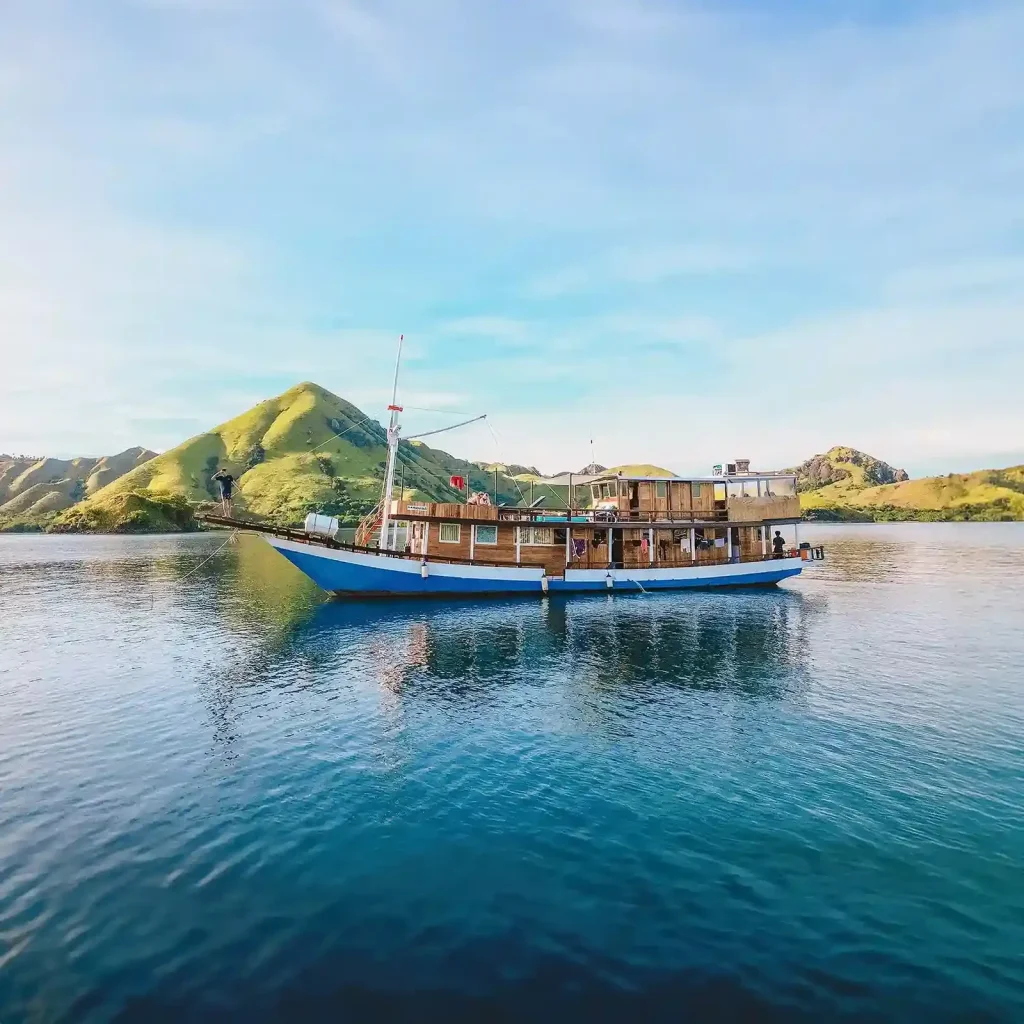
In Indonesia, a liveaboard typically delivers 3–4 dives per day and access to remote sites, while a comparable dive resort usually offers 2–3 boat dives daily. As of August 2026, quality liveaboards average USD 250–450 per night, versus USD 150–300 for standard resorts, but liveaboards usually include far more diving.
Liveaboard Vs Resort In Indonesia — who “wins” for most divers?
Across 240+ vessels handled since 2015, our Komodo Luxury network desk has seen one pattern: for dive-focused trips of 5–10 nights, Indonesia liveaboard vs dive resort comparisons usually favor boats on value per dive and site access. A typical liveaboard offers up to 20–30 dives in a week, including sunrise and night dives, with no daily transit back to shore.
Dive resorts in Bali, Wakatobi, Misool, and North Sulawesi still win for guests who want flexible days and land comforts. Bali dive resort vs liveaboard choices tilt toward resorts for shorter stays (3–4 nights), jet-lag recovery, or mixed-interest groups where not everyone dives daily. Resorts also make sense if you prioritize spa time, local restaurants, and easy logistics from major airports.
Our editorial picks treat this as a spectrum rather than a duel: boats like Mermaid 2, Neptune One, and Solitude Adventurer dominate the best dive cruise Indonesia category for “dive-eat-sleep-repeat” fans, while land-based operations in Raja Ampat and Wakatobi lead for photographers, families, and long-stay guests needing more space and routine.
Which wins on cost, dives per day, and what you actually get?
As of August 2026, midrange Indonesia liveaboards typically cost USD 250–450 per night per person. That usually includes accommodation, 3–4 guided dives per day, tanks and weights, most meals, coffee/tea, and sometimes domestic transfers. Luxury class or VVIP yachts such as Celestia, Dunia Baru, and Lamima range from about USD 600 up to well over USD 1,200 per night, with private chefs and higher crew ratios.
By comparison, quality Indonesia dive resorts often sit around USD 150–300 per room per night (excluding dives), with 2–3 boat dives daily charged on top. Once you add dive packages, total spend per dive can end up similar to midrange liveaboards, especially in remote areas like Raja Ampat or Wakatobi where fuel and logistics are costly.
Liveaboards usually win for value if you dive three or more times daily. A 7-night cruise might give 20–25 dives, while a resort guest doing two dives per day over the same period could end up with about 14 dives. The trade-off: more regimented schedules on boats versus freedom on land to skip dives and explore locally.
Which is better for couples, non-divers, and mixed groups?
Our desk often fields questions like “which Indonesia liveaboard is best for non diving spouse?” or “best liveaboard Indonesia for advanced divers with non diving partner?”. On older or compact boats, non-divers can feel confined. On the other hand, a best modern dive yacht Indonesia for couples—think larger deck spaces, outdoor lounges, and spa corners—can function like a small boutique resort at sea.
For non diver friendly liveaboard Bali and Komodo routes, we usually favor yachts with large sun decks, separate quiet salons, Wi‑Fi, and stable hulls (steel or larger phinisi). These suit mixed couples dive yacht Indonesia trips in Komodo or Raja Ampat, where one partner dives and the other reads, snorkels, or joins land hikes.
For families, a best snorkel cruise Bali for non divers and kids can be more appropriate than a hardcore expedition. Calm-season itineraries around Nusa Penida’s calmer bays or north Bali reefs, plus liberal snorkel supervision, matter more than maximum dive count. In contrast, a small cheap beginner dive cruise Bali may offer great value but limited space, so expectations should be realistic.
Which is better for beginners vs advanced divers?
Indonesia liveaboard vs Bali dive resort choices change drastically by experience level. Beginners often do better starting land-based, especially in Bali or North Sulawesi. Shore entries, pool refreshers, and controlled conditions help new divers build confidence before tackling currents in Komodo or Raja Ampat.
There are easy dive sites liveaboard Indonesia for beginners—protected bays in north Komodo, Alor macro slopes, or Raja Ampat’s sheltered reefs. The best season for beginners to dive Komodo by liveaboard is usually May–June and late September–October, outside the windiest July–August period but still in the core April–November season.
Advanced photographers and current lovers tend to extract more from a liveaboard. Itineraries through Komodo, Banda Sea, and Raja Ampat can link signature sites in a single voyage, which a fixed resort cannot. Mermaid 2 and Fenides, for example, regularly appear in Indonesia dive cruise reviews from technical and photo-oriented guests seeking challenging drifts and blue-water pelagic dives.
How do Bali-focused trips compare: indonesia liveaboard vs Bali dive resort?
For many visitors, the real choice is Indonesia liveaboard vs Bali dive resort rather than Komodo or Raja Ampat. Bali resorts win on simplicity and non-dive activities: spas, temples, cafés, and surf beaches. This makes them ideal for a best bali yacht trip for non divers add-on, using day charters or sunset cruises instead of full dive expeditions.
Still, there are best non-diver liveaboard cruises Indonesia options that sail from or via Bali, including short 2–4 night itineraries that mix snorkeling, light diving, and coastal visits. A non diver friendly liveaboard Bali route around Nusa Penida, Nusa Lembongan, and north Bali can combine manta snorkels with relaxed beach stops and is gentler for families and first-timers.
For divers planning Komodo, it is worth comparing Bali vs Labuan Bajo departure options. A 1 hour 10–30 minute Bali–Labuan Bajo flight connects you directly to shared 3D2N open trips from about USD 220 per person (as of August 2026) or to private charters starting far higher. This hybrid lets you enjoy Bali on land before or after your liveaboard.
What logistics, paperwork, and fine print should you compare?
Beyond romance and reef quality, the practical “liveaboard vs dive resort Indonesia” question runs through documents, timing, and inclusions. For boats, ask operators to clarify what included liveaboard elements cover: many include meals and diving but exclude park fees, nitrox, and rental gear.
In Komodo, foreign divers typically pay around IDR 300,000 per day in park, diver, and harbour fees in 2026, sometimes bundled into cruise rates and sometimes charged on board. Liveaboards also set cut-off boarding times based on domestic flights; arriving the same day is possible but risky if connections slip.
Resorts tend to offer more flexible check-in windows and can rebook boat dives if a flight delay makes you miss a day. However, remote regions like Misool, Wakatobi, and Cenderawasih Bay still require careful flight planning and overnight staging in gateway towns such as Sorong or Bali. Checking cancellation terms for both boat and land stays is crucial, especially in shoulder seasons.
- Typical liveaboard check-in is between 11:00–14:00 on embarkation day; disembark 08:00–10:00 on the last day.
- Midrange Indonesia liveaboards: about USD 250–450 per person per night as of August 2026, excluding park fees.
- Shared Komodo open trips 3D2N from roughly USD 220 per person; private day yachts from Labuan Bajo from about USD 9,000 per group.
- Standard crew-to-guest ratios on curated vessels are usually 1:1 to 1:2, depending on cabin count.
- Most operators require proof of dive certification and a recent log entry; medical clearance may be requested for older guests.
- Domestic flights Bali–Labuan Bajo generally take 1 hour 10–30 minutes; plan a buffer day before international departures.
- Park and harbour fees in Komodo average around IDR 300,000 per foreign diver per day in 2026, subject to local changes.
Frequently asked questions
Liveaboard Vs Resort In Indonesia?
For dive-intensive vacations of 5–10 days, liveaboards typically win on access and value per dive, offering 3–4 dives daily and remote sites. Resorts in Bali, Wakatobi, Misool, and North Sulawesi win for flexibility, land comforts, and non-diver activities. Many travelers now combine both: a few nights in a resort plus a 4–7 night cruise.
Which is better for beginners?
Most true beginners start more comfortably at dive resorts, especially in Bali or North Sulawesi, where pool sessions and easy shore dives are available. There are easy dive sites liveaboard Indonesia routes, particularly in north Komodo, but sea days and fixed schedules can be demanding. Confident Open Water divers often enjoy a first short liveaboard of 3–4 nights.
Which costs more?
Per night, liveaboards usually cost more than resorts, but per dive they often break even or win. Resorts might charge USD 150–300 per room plus dives, while midrange cruises run around USD 250–450 per person nightly including 3–4 dives. Remote luxury resorts and VVIP yachts can exceed USD 1,000 per night, so exact comparisons depend on category.
Can you combine both?
Yes, and this is often the best approach. Many guests spend 3–5 nights in a Bali dive resort, then fly to Labuan Bajo or Sorong for a cruise with one of the best liveaboard dive companies Indonesia offers. Combining lets you rest after long flights, ease into diving, and then enjoy a focused 4–7 night expedition on a boat.
What do most travelers choose?
From our Komodo Luxury network data since 2015, a growing majority of serious divers opt for at least one liveaboard segment in Indonesia. Casual or first-time visitors often start resort-only, especially in Bali. Mixed groups—couples and families with non-divers—frequently choose a resort plus a shorter 2–4 night cruise to balance diving and relaxation.
To shortlist the best dive cruise Indonesia options—open trip or full charter—and compare them with resorts for your dates, share your budget and experience via WhatsApp 628113823875 or email sales@komodoluxury.com; the Komodo Luxury desk will reply with tailored editorial picks and advice on open trip vs private charter.
Last updated 7 August 2026