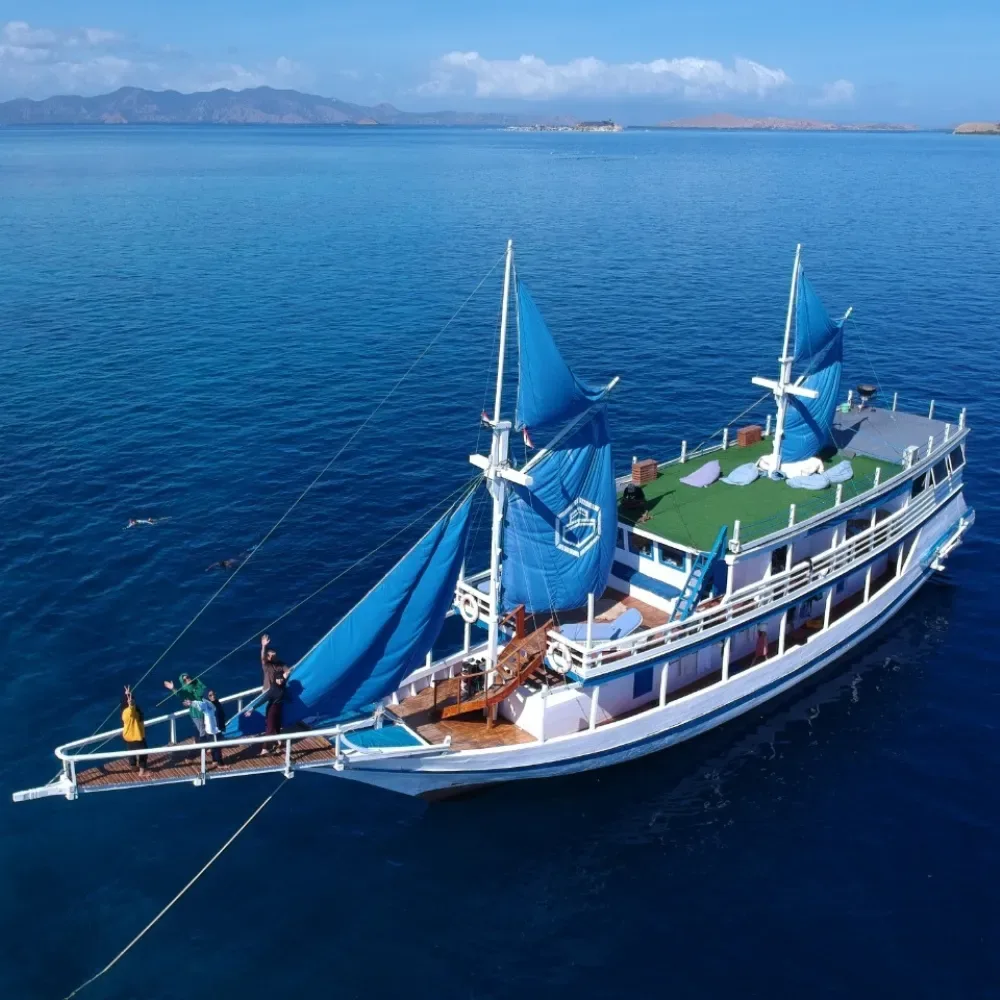
For most guests, a new-build phinisi delivers quieter engines, better stabilizers, and more efficient cabins, while a classic phinisi wins on romance and woodwork. Our Komodo Luxury network desk currently sees about 60–70% of guests choosing newer or fully refitted vessels once safety record and cabin comfort are explained.
New phinisi vs classic: what actually changes your experience on board?
The biggest real-world differences between a new-build phinisi and a classic phinisi boat Indonesia liveaboard are hull design, stabilizers, and how space is used. New-builds (typically launched or fully refitted after 2015) usually have more beam and better ballast, so motion feels slower and more predictable in Komodo and Raja Ampat swells.
For anyone worried about sea sickness Komodo liveaboard motor yacht vs phinisi, the gap has narrowed. A well-designed new-build phinisi can feel closer to a small motor yacht than to older, top-heavy sailers. Classic vessels can still be very comfortable, but only if they have documented refits and modern tanks and generators.
Cabins are another difference. Our team’s desk picks show that cabins on newer boats average 1–2 m² more floor space in the same overall length class, often with full-sized windows and quieter AC. By contrast, many traditional phinisi dive liveaboard Komodo boats keep smaller portholes to preserve the original lines.
How do comfort and noise compare between new-build and classic phinisi yachts?
Comfort is where new-build and classic designs diverge the most. On a luxury phinisi yacht Indonesia guests usually care about two things: cabin noise at night and hot water reliability. New-builds tend to mount generators further aft with better insulation, so night-time decibel levels in cabins are noticeably lower.
Across 240+ vessels handled in the Komodo Luxury network since 2015, newer boats also tend to standardize en-suite bathrooms, separate shower stalls, and stronger water pressure. Well-run classics can match this, but only after major plumbing refits and tank upgrades, which not every vessel has completed.
For couples and families booking the best phinisi cruise Indonesia, newer layouts also add more social space per guest: larger saloons, shaded lounges, and camera tables. A classic phinisi cruise Indonesia can offer beautiful carpentry and traditional lines, but sometimes at the cost of slightly steeper staircases and lower headroom in certain decks.
Which gives better value: phinisi boat Komodo price vs Raja Ampat itineraries?
Price differences are driven more by route and class than by “new vs classic” alone. As of August 2026, a shared 3D2N Komodo open trip on a basic phinisi starts from around USD 220 per person, while midrange phinisi boat Komodo price bands for divers run roughly USD 250–450 per night depending on season and cabin.
In Raja Ampat, similar comfort levels usually cost more because of distance and fuel: a raja ampat phinisi liveaboard of solid midrange quality often runs 15–30% higher than Komodo for the same cabin standard. Luxury cabins on top-tier names like Celestia, Dunia Baru, Prana, Lamima, or Alila Purnama can exceed USD 600–1,200 per guest per night, especially on longer crossings.
Classic hulls do not automatically mean cheap; several older vessels have been upgraded into Deluxe or VIP categories and price accordingly. For guests focused on value, our desk often steers people towards newer or heavily refitted boats in the midrange, or into handpicked options on the budget liveaboard 2027 list for shoulder-season deals.
Safety, age, and refits: how much should you worry about an older phinisi?
For Indonesia, hull age by itself is less important than maintenance logs and refit dates. Many traditional phinisi komodo seasonality workhorses were launched in the early 2000s, then had major steel, engine, and electrical refits between 2016 and 2024. Others have seen only cosmetic updates, which is what guests need to differentiate.
For any phinisi boat tours Indonesia, ask for the most recent refit year and which systems were replaced: engines, generators, batteries, fire systems, and navigation. A 20-year-old hull with a 2022 full mechanical refit can be materially safer than a 7-year-old hull with deferred maintenance.
New-build vessels (post-2018) tend to integrate fire doors, escape hatches, and more modern bridge electronics from day one. Our desk criteria give extra weight to crew training, emergency drills, and transparent reporting of incidents, not just the build date. Guests comparing Raja Ampat routes such as raja ampat vs cenderawasih should evaluate boat age and refit status in the same way for both regions.
Itinerary quality: does “new vs classic” change how well you dive and explore?
Itinerary quality is mostly about the cruise director and owner philosophy, not the hull age. The best Indonesia phinisi dive cruise options often operate similar routes: Komodo April–November, Raja Ampat October–April, Banda crossings in September–November and March–April, plus Alor and Cenderawasih in their respective windows.
That said, some classic vessels with long-standing Indonesian captains know traditional anchorages and less-visited reefs extremely well. This can show up in detailed dive briefings and flexible schedules, especially for best month for phinisi cruise Komodo periods such as July–September when sites are busy and currents are strong.
New-build vessels may have faster engines and better tenders, which helps reach more distant dive sites in one itinerary. For those chasing the best indonesia phinisi dive cruise in Raja Ampat, we often see a slight edge for newer boats in being able to cover both north and south comfortably within 10–12 nights, but only if fuel budgets and weather cooperate.
Seasonality and sea conditions: which style is better in rougher months?
In shoulder seasons, hull stability matters. For phinisi liveaboard Indonesia best months, our desk usually recommends timing trips to dodge the roughest monsoon transitions: Komodo April–November (peak July–September), Raja Ampat October–April, and Cenderawasih roughly June–October. Outside these, swells and wind can increase.
New-build phinisis often feature more beam and deeper draft, which helps dampen roll. In direct comparisons of sea sickness Komodo liveaboard motor yacht vs phinisi, a well-designed new-build phinisi can be nearly as comfortable as a compact motor yacht, especially with active stabilizers or bilge keels.
Classic phinisis can perform well in season, but guests prone to motion sickness tend to report smoother rides on newer platforms, particularly in crossings between Raja Ampat and Banda Sea. For those comparing the phinisi cruise Raja Ampat best time to go against the best bali phinisi cruise season, boat choice plus timing together will have more impact than “new vs classic” alone.
- Typical Komodo park fees for foreign divers are around IDR 300,000 per diver per day as of August 2026 (entry, diver surcharge, harbour fee).
- Shared open-trip Komodo phinisi cruises 3D2N start from about USD 220 per person as of August 2026.
- Midrange phinisi cabins usually fall between USD 250–450 per guest per night as of August 2026, route and season dependent.
- Luxury and VVIP charters on top-tier phinisi can exceed USD 18,000 per night for private groups as of August 2026.
- Main seasons: Komodo April–November, Raja Ampat October–April, Wakatobi March–December, Cenderawasih June–October.
- A Bali–Labuan Bajo domestic flight usually takes about 1 hour 10–30 minutes before boarding your liveaboard.
- Check if park fees, rental gear, and domestic flights are included or excluded to avoid common liveaboard booking mistakes.
Frequently asked questions
New-Build Vs Classic Phinisi?
New-build phinisis usually deliver quieter cabins, better stabilizers, and more efficient layouts, while classic phinisis appeal for traditional lines and atmosphere. Safety and comfort depend more on recent refits and crew training than age alone. Ask for build year, last major refit, and detailed equipment lists before deciding.
Which is better for beginners?
For new divers or first-time sailors, a newer or recently refitted vessel is usually more forgiving: larger cabins, stronger air-conditioning, and better stability for nervous stomachs. A traditional phinisi dive liveaboard Komodo can still suit beginners, but only if it has calm-season departures and a high guide-to-guest ratio.
Which costs more?
Price is driven mainly by route and service level, not just build year. Many new-build luxury phinisi yacht Indonesia options sit in the USD 600–1,200 per night range, while older but well-kept boats fill midrange bands. Some classics are also premium-priced because of brand and service history, especially on high-demand Komodo and Raja Ampat departures.
Can you combine both?
Yes. Some travelers book one traditional phinisi komodo seasonality trip and then a newer Raja Ampat itinerary in the same year. This is common for guests comparing raja ampat vs cenderawasih routes, or for those testing different comfort levels before committing to a longer best phinisi cruise Indonesia charter with family or friends.
What do most travelers choose?
Across the Komodo Luxury network desk, a majority currently lean towards newer or heavily refitted boats, especially for Raja Ampat phinisi cruise reviews that emphasize comfort. Guests seeking character and classic lines still gravitate to select heritage-style vessels, particularly for phinisi cruise Indonesia itineraries outside peak months.
For tailored shortlists of phinisi liveaboard Indonesia deals that match your dates, comfort level, and region, contact the Komodo Luxury desk via WhatsApp at 628113823875 or email sales@komodoluxury.com.
Last updated 7 August 2026